Indebweyendam
Read MoreWhy Dogs Are Not Allowed in Ojibwe Ceremonies: The Sacred Relationship Between the Anishinaabe and the Wolf
Indebweyendam
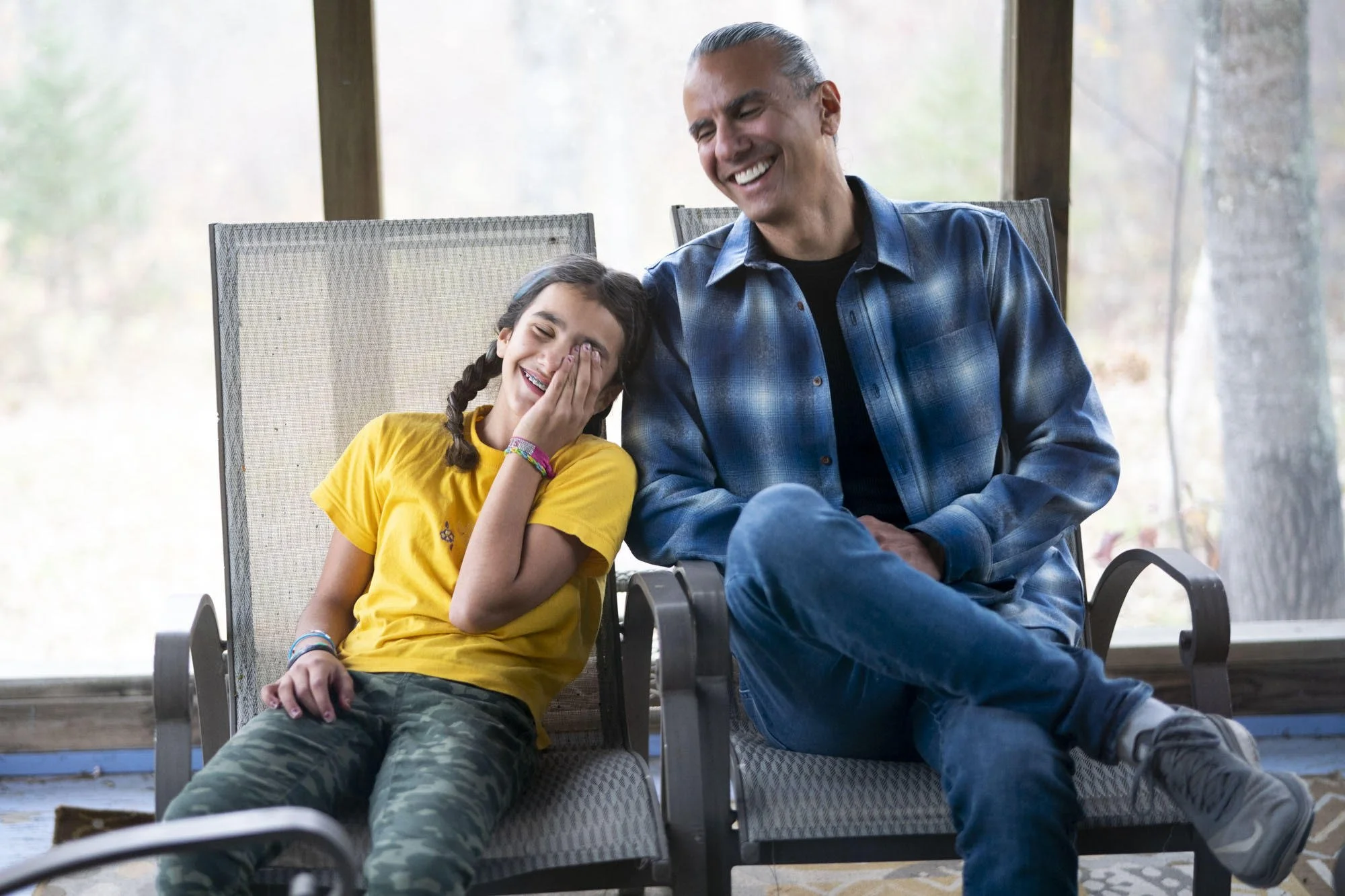
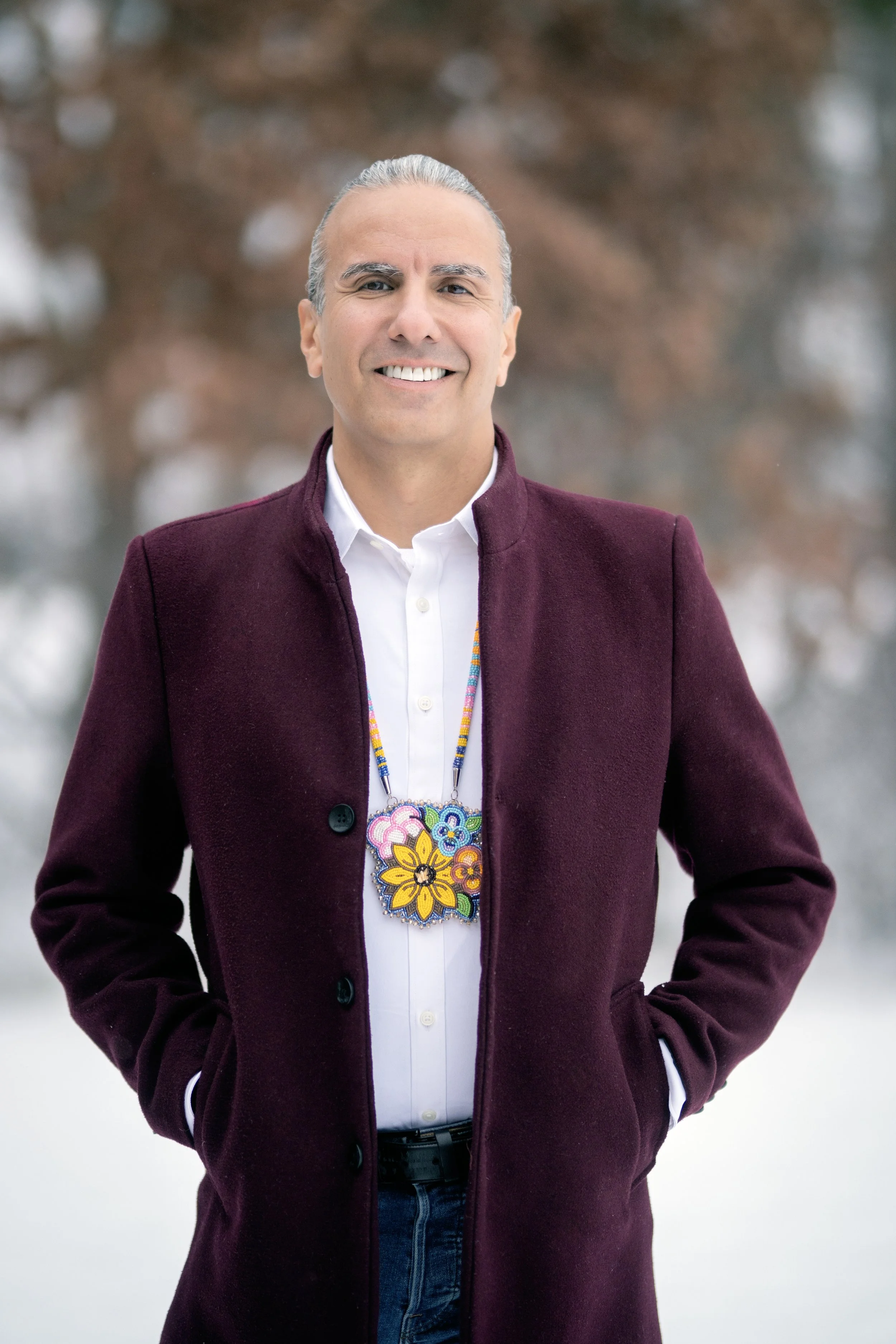
Read MorePhoto credit: Jaime Arsenault
“Indigenous language is vitally important for Indigenous people; that should be motivation enough for us as well as the rest of the world to actively support it.” —Anton Treuer
Read MoreWe all do better when we all do better.” —Paul Wellstone
Read More“We all do better when we all do better.” Paul Wellstone
Read More“We all do better when we all do better.” Paul Wellstone
Read MoreIndebweyendam
Read MorePhoto credit: Jaime Arsenault
“Growth is more than a springtime flood, it’s a dance. Dance in all your seasons, my boy, and play the music loud.” —Where Wolves Don’t Die by Anton Treuer
Read More“Language loss is not abstract when you have loved the people who carried that language so beautifully.” —Anton Treuer
Read MoreIndebweyendam
Read More“Growth is more than a springtime flood, it’s a dance. Dance in all your seasons, my boy, and play the music loud.” —Where Wolves Don’t Die by Anton Treuer
Read More“Indigenous language is vitally important for Indigenous people; that should be motivation enough for us as well as the rest of the world to actively support it.” —Anton Treuer
Read MorePhoto credit: Jaime Arsenault
“Indians. We are so often imagined and so infrequently well understood.” —Anton Treuer
Read More“We all do better when we all do better.” Paul Wellstone
Read More“We all do better when we all do better.” Paul Wellstone
Read More“We all do better when we all do better.” Paul Wellstone
Read More“We all do better when we all do better.” Paul Wellstone
Read More