Gender Diversity and Indigenous Societies: What History Actually Tells Us →
Photo credit: Jaime Arsenault
Connection and culture live inside of us. Having a rich cultural life is not just about looking out and looking for; it is about looking within. We can do that where ever we live. The awakening is healing and empowering. —Anton Treuer, The Cultural Toolbox: Traditional Ojibwe Living in the Modern World
Read MoreYou are a complete, fully realized human being. You are a soul who has a body. You are the one your ancestors were praying for and waiting for through the generations. You have been given a unique set of gifts, and you yourself are a gift to the world. —Anton Treuer, The Cultural Toolbox: Traditional Ojibwe Living in the Modern World
Read MorePhoto credit: Jaime Arsenault
“At the ceremony, before we eat, the successful hunter shares the story of their kill. They transition from passive listeners to tellers of the story—from observers to carriers of tradition.” —Anton Treuer
Read MorePhoto credit: Jaime Arsenault
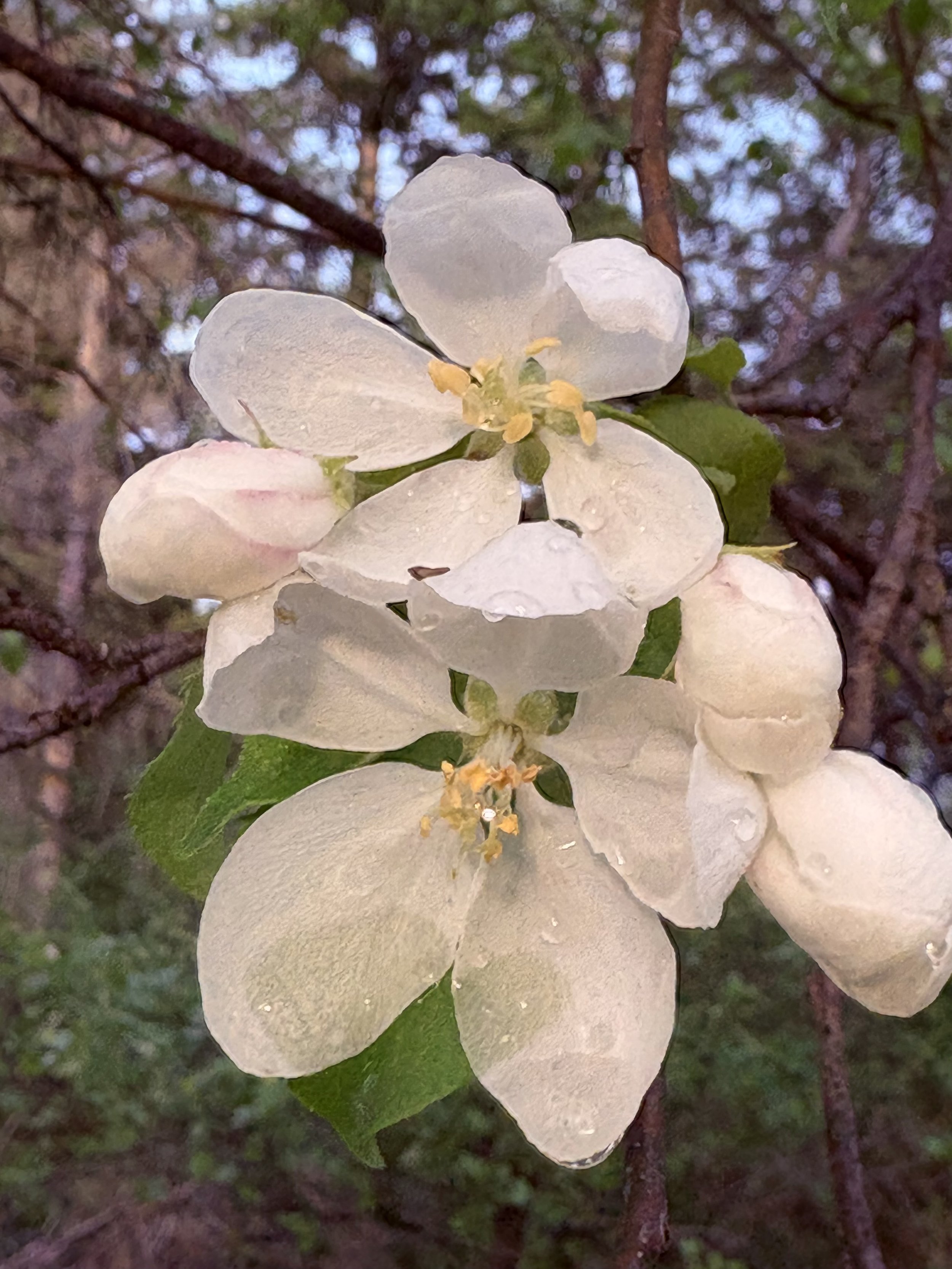
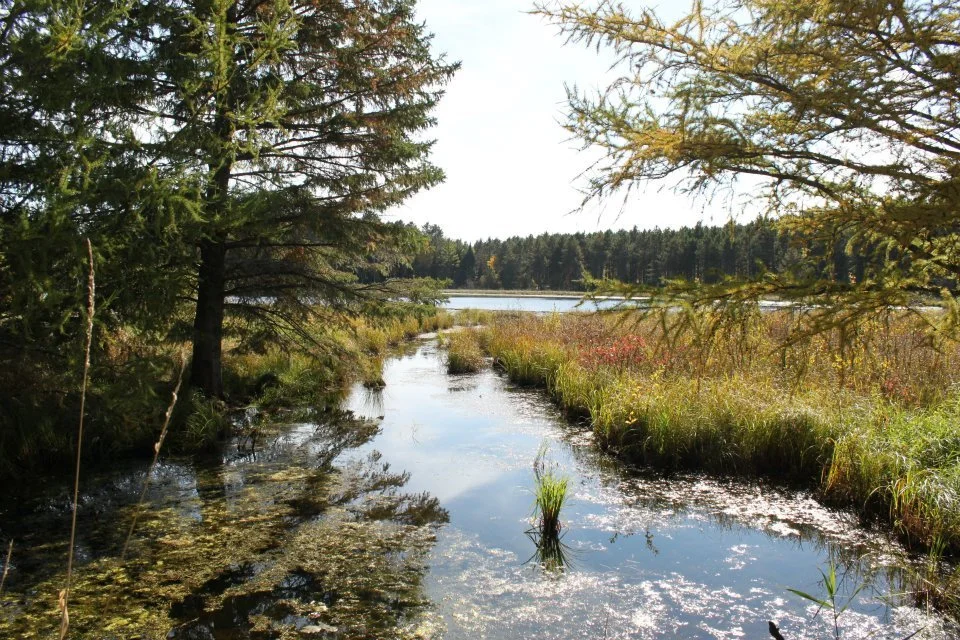
May reflects one of the most important signs of spring in Ojibwe country: the opening buds on trees, bushes, and plants after a long winter. —Anton Treuer
Read MoreBecause water gives life, people also carry responsibilities toward it. —Anton Treuer
Read MoreWe don’t have souls. We are souls. We have bodies—for a little while. —Anton Treuer
Read MoreWe become like the people we spend time with. —Anton Treuer
Read MorePhoto credit: Jaime Arsenault
We have a saying in Ojibwe: “Apegish ge-bimaadiziyan biinish gashkitoosiwan geyaabi ji-zhaashaagamikawad miskomin.” It means “I hope that you live to be so old that you can’t even crush a raspberry between your gums.” It’s considered a blessing.
Anton Treuer, The Cultural Toolbox: Traditional Ojibwe Living in the Modern World
Read More“The rule book is simple. Respect all things. Respect all beings.”
Anton Treuer, The Cultural Toolbox: Traditional Ojibwe Living in the Modern World
Read MorePhoto credit: Jaime Arsenault
You are a complete, fully realized human being. You are a soul who has a body. You are the one your ancestors were praying for and waiting for through the generations. You have been given a unique set of gifts, and you yourself are a gift to the world. —Anton Treuer, The Cultural Toolbox: Traditional Ojibwe Living in the Modern World
Read MorePhoto credit: Jaime Arsenault
We can be exactly who we are—exactly who the creator wanted us to be—and thrive. —Anton Treuer, The Cultural Toolbox: Traditional Ojibwe Living in the Modern World
Read MoreYou are a complete, fully realized human being. You are a soul who has a body. You are the one your ancestors were praying for and waiting for through the generations. You have been given a unique set of gifts, and you yourself are a gift to the world. —Anton Treuer, The Cultural Toolbox: Traditional Ojibwe Living in the Modern World
Read MoreConnection and culture live inside of us. Having a rich cultural life is not just about looking out and looking for; it is about looking within. We can do that where ever we live. The awakening is healing and empowering. —Anton Treuer, The Cultural Toolbox: Traditional Ojibwe Living in the Modern World
Read MoreConnection and culture live inside of us. Having a rich cultural life is not just about looking out and looking for; it is about looking within. We can do that wherever we live. The awakening is healing and empowering. —Anton Treuer, The Cultural Toolbox: Traditional Ojibwe Living in the Modern World
Read MoreWe don’t live in two worlds. We live in one world. We don’t have to code-switch to make it out there. We don’t have to maintain a dual consciousness. People from other cultures don’t have to sacrifice theirs to enter our world, and natives don’t have to sacrifice their cultures to navigate the modern world. We can be exactly who we are—exactly who the creator wanted us to be—and thrive. —Anton Treuer, The Cultural Toolbox: Traditional Ojibwe Living in the Modern World
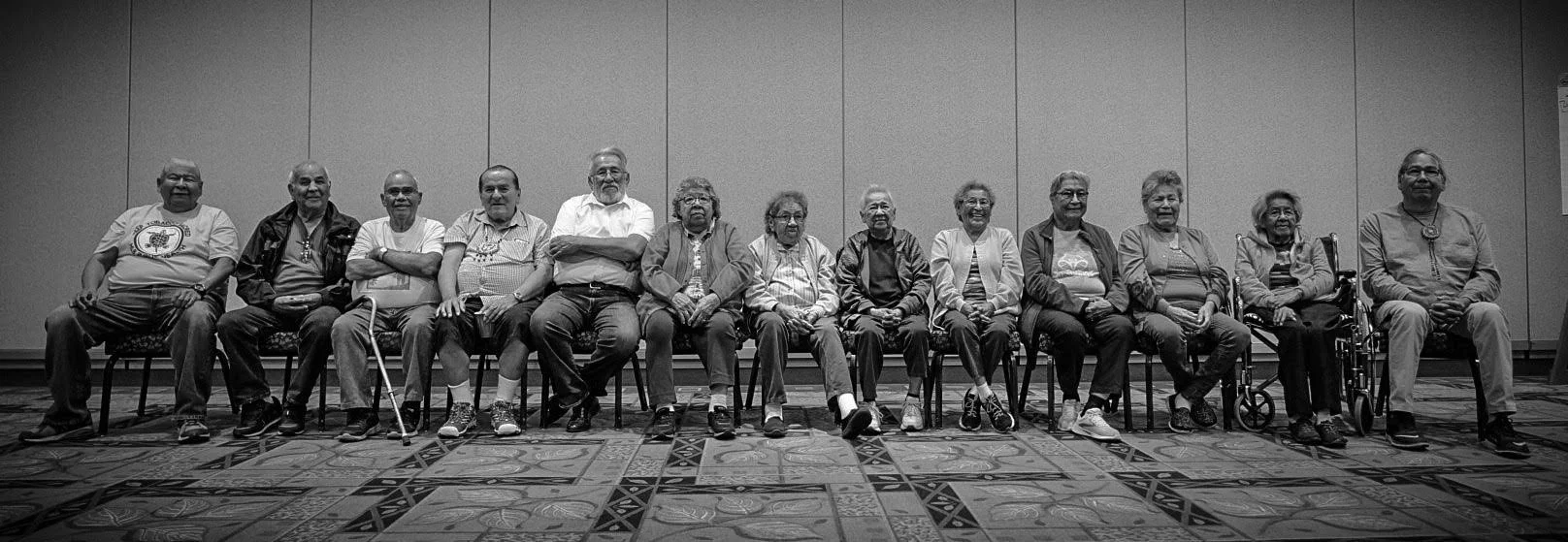
Read MoreIn Ojibwe, the word for elder, gichi-aya’aa, literally means “great being.” The word for elder woman, mindimooye, means “one who holds us together” and describes the role of the family matriarch. You don’t have to say things like “Respect your elders” when you’re operating in Ojibwe. Every word used to talk about elders is loaded with respect. —Anton Treuer, The Language Warrior’s Manifesto: How to Keep Our Languages Alive No Matter the Odds
Read MoreConnection and culture live inside of us. Having a rich cultural life is not just about looking out and looking for; it is about looking within. We can do that where ever we live. The awakening is healing and empowering. —Anton Treuer, The Cultural Toolbox: Traditional Ojibwe Living in the Modern World
Read MoreWe don’t live in two worlds. We live in one world. We don’t have to code-switch to make it out there. We don’t have to maintain a dual consciousness. People from other cultures don’t have to sacrifice theirs to enter our world, and natives don’t have to sacrifice their cultures to navigate the modern world. We can be exactly who we are—exactly who the creator wanted us to be—and thrive. —Anton Treuer, The Cultural Toolbox: Traditional Ojibwe Living in the Modern World
Read MoreIn Ojibwe, the word for elder, gichi-aya’aa, literally means “great being.” The word for elder woman, mindimooye, means “one who holds us together” and describes the role of the family matriarch. You don’t have to say things like “Respect your elders” when you’re operating in Ojibwe. Every word used to talk about elders is loaded with respect. —Anton Treuer, The Language Warrior’s Manifesto: How to Keep Our Languages Alive No Matter the Odds
Read More