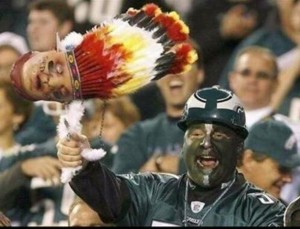
Gretchen Wilson might take pride in being called "redneck woman" but I can't call all white women by that label. It's same for nonnatives who want to call me "redskin."
Read MoreRedskins Must Go →

Gretchen Wilson might take pride in being called "redneck woman" but I can't call all white women by that label. It's same for nonnatives who want to call me "redskin."
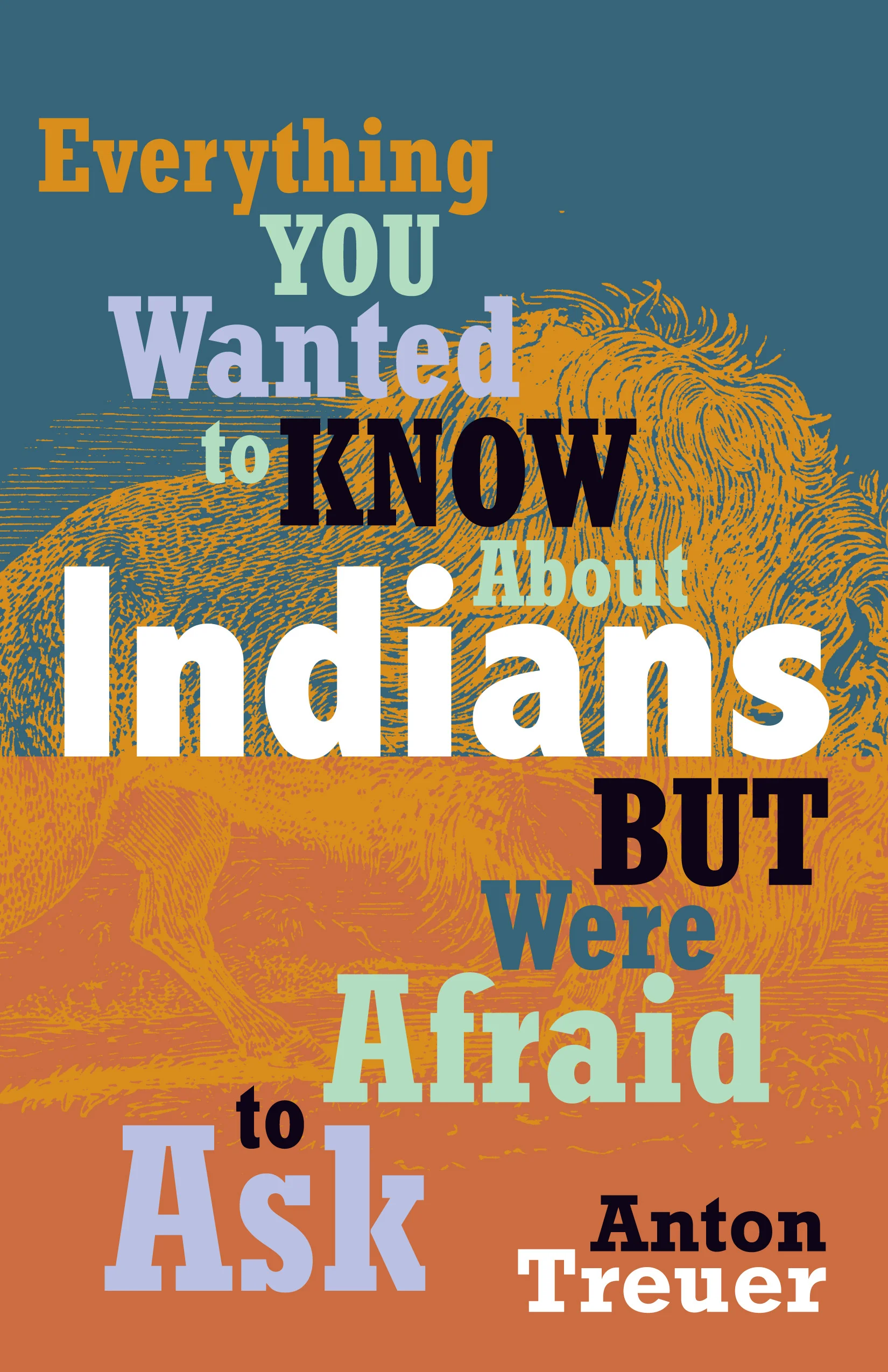
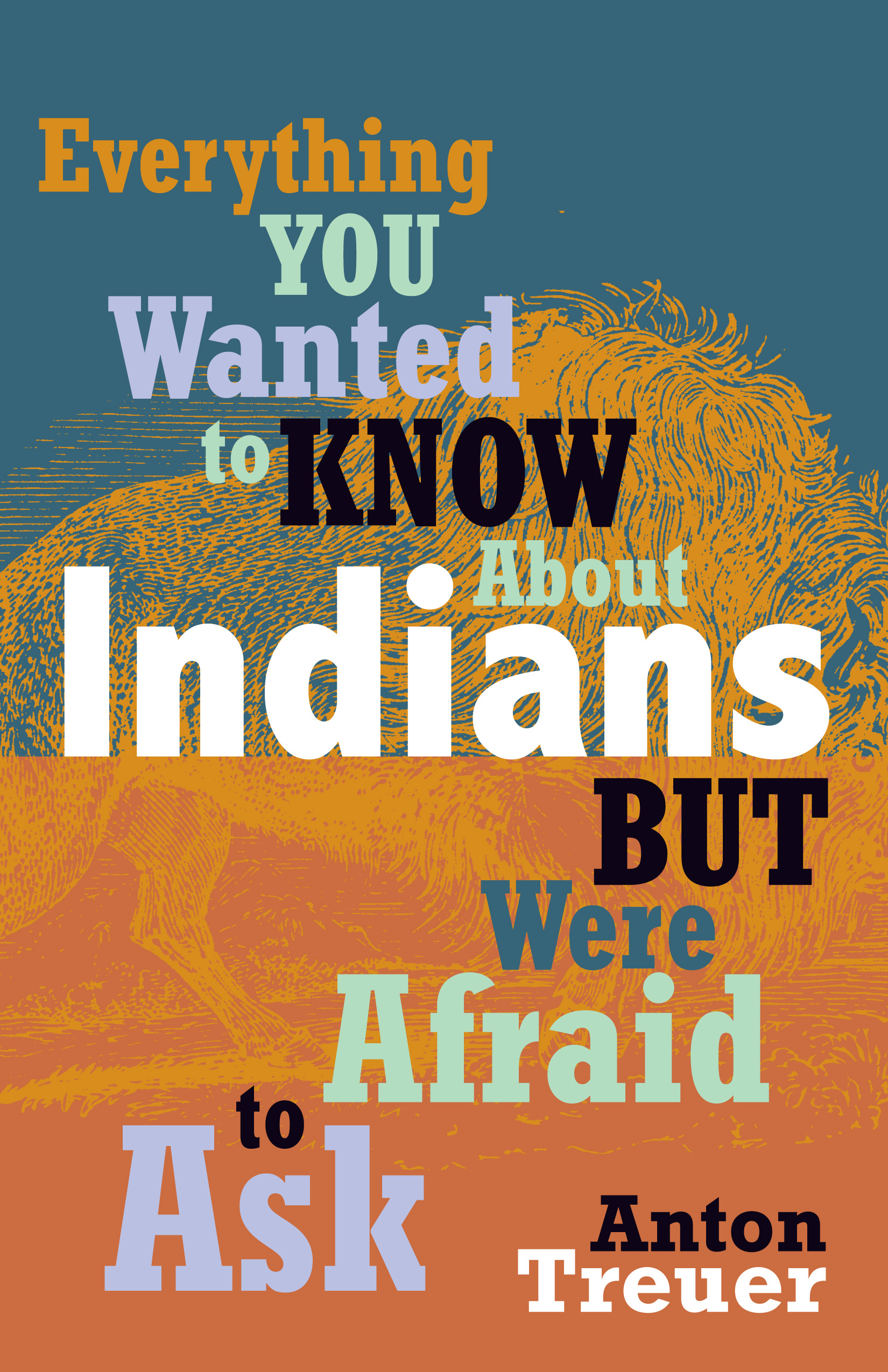
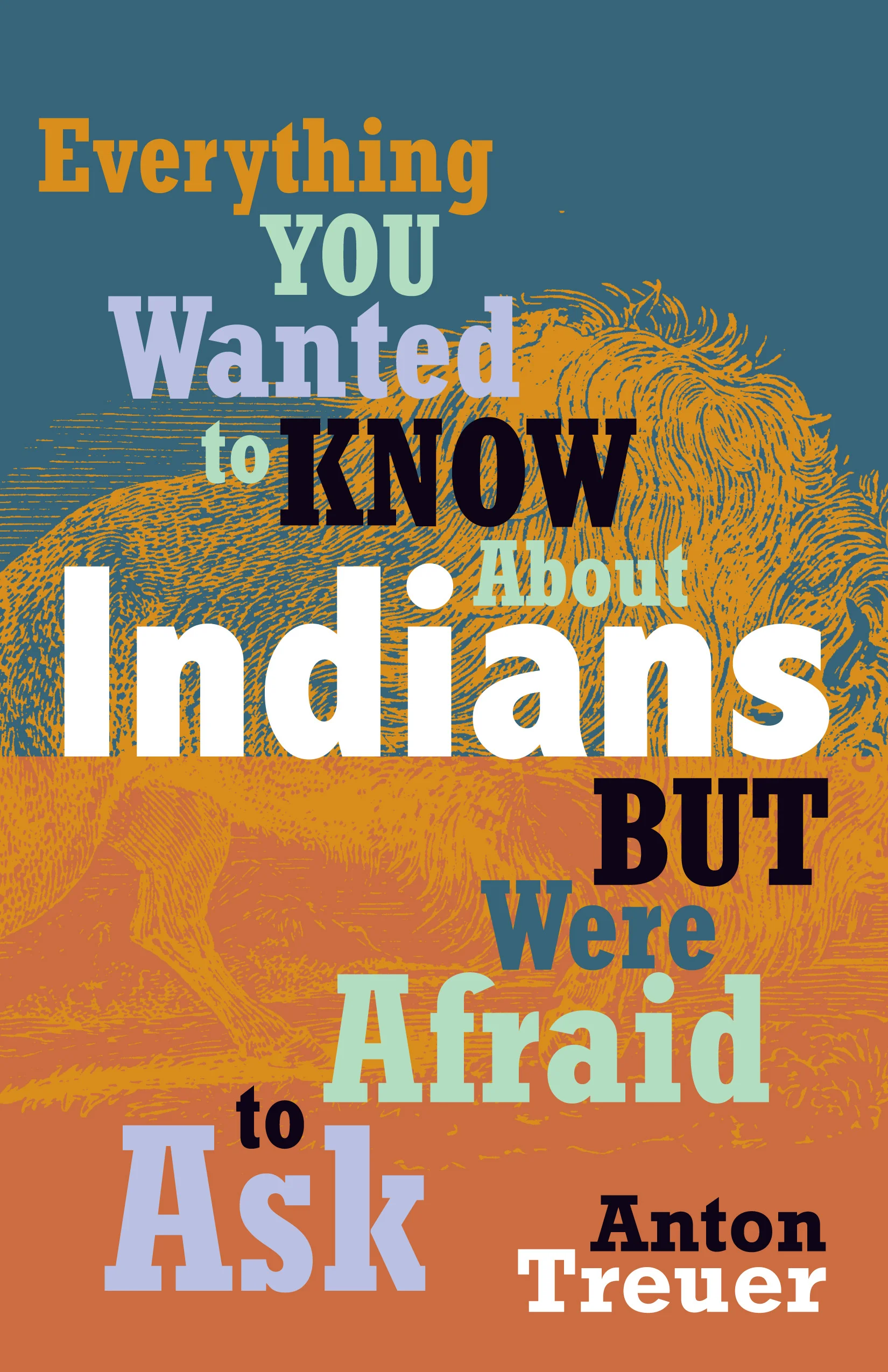
Read MoreEntertaining and informative, watch and listen to what's generating the buzz about Everything You Wanted to Know About Indians But Were Afraid to Ask.
Read MoreIn his book, this expert of Ojibwe history and language answers more than one hundred questions about Native Americans, many of which he’s been asked while giving public lecturers in Minnesota. The questions range from thoughtful and funny to what many may consider offensive, but Mr. Treuer answers with frankness, and often from a personal perspective.
Read MoreThe history of the Ojibwe people goes back thousands of years and is woven into the story of the state of Minnesota. One writer and college professor is determined that Ojibwe history, language and culture not be forgotten.
Read MoreWorking hard to keep the Ojibwe language alive.
Read MoreOver five million people in the U.S. claim some form of Native American identity, according to the U.S. Census Bureau. For Native American Heritage Month, guest host Celeste Headlee checks back in with author Anton Treuer about historic education challenges Native Americans have faced and what's being done to close the achievement gap.
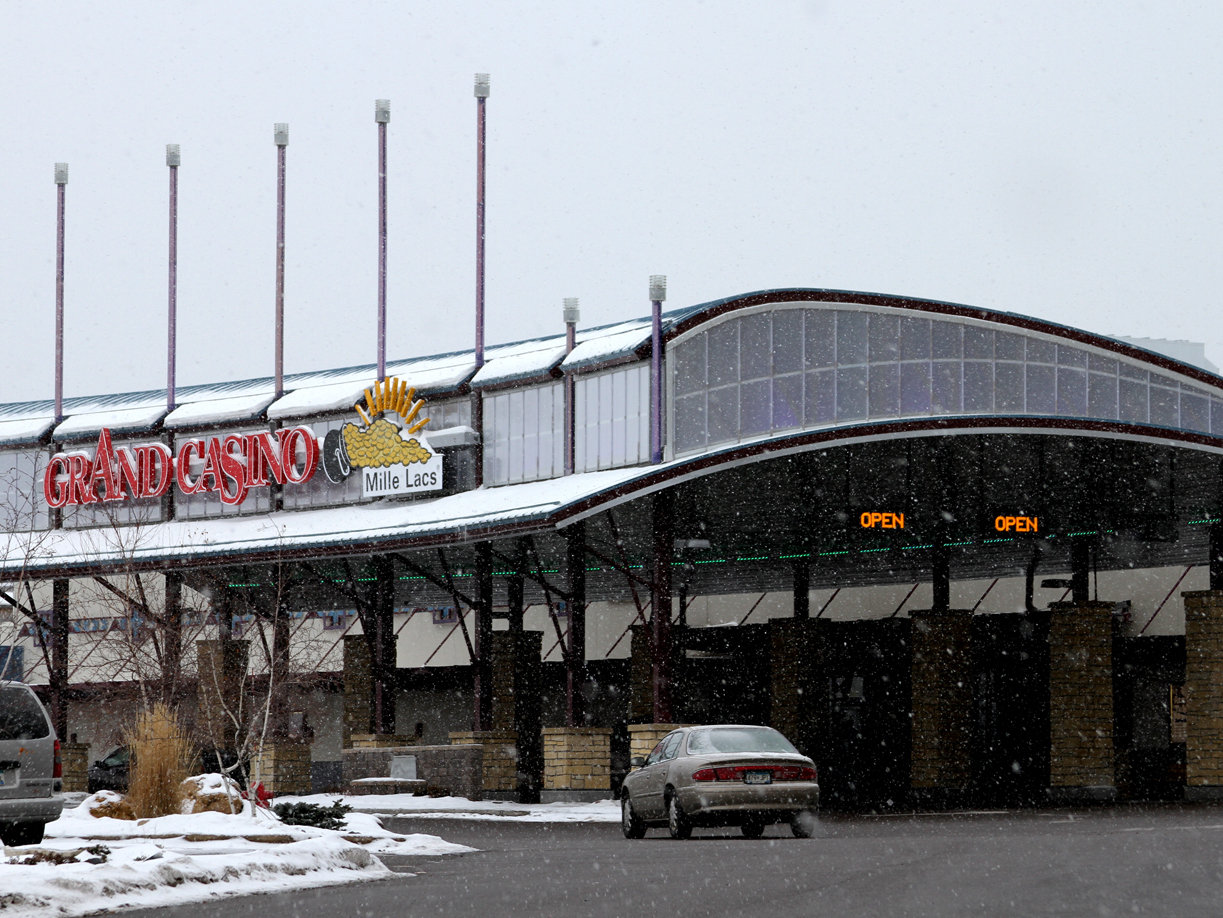
Read MoreNearly half of all Native American tribes across the country are benefiting from casinos and other gaming revenues. For most, it's their largest source of income. But growing threats to that revenue due to competition from non-Indian gaming are forcing many tribes to look for other investment opportunities.
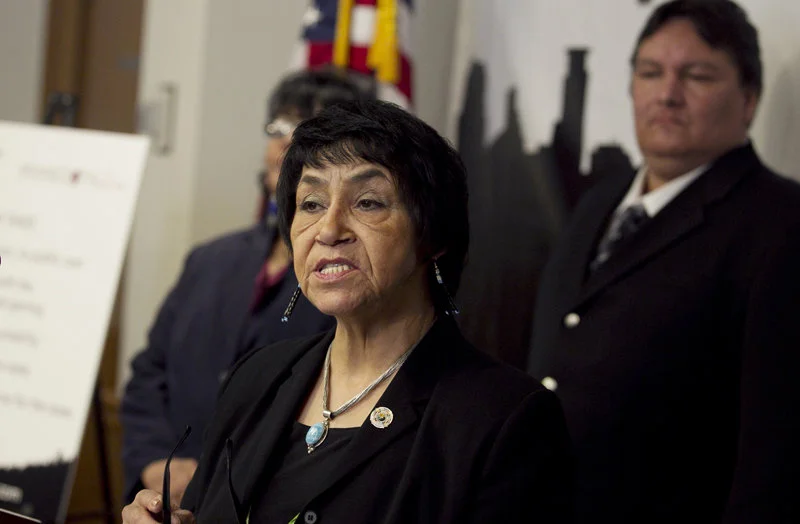
Read MoreIn Minnesota's Ojibwe communities, the political gender gap has evaporated. Today 57 percent of the top elected officials are women, including Erma Vizenor at White Earth, Karen Diver at Fond du Lac, Melanie Benjamin at Mille Lacs, and Carrie Jones at Leech Lake.
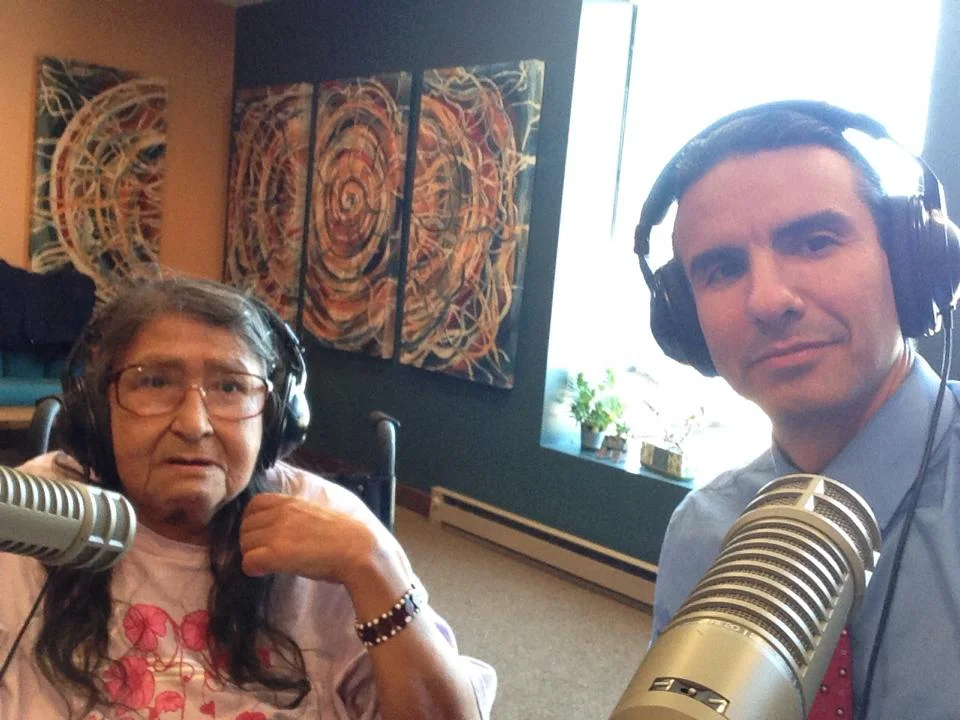
Read MoreSuch a pleasure to work with Anna Gibbs on this Ojibwe language project
Read MoreGreat conversation with host Michel Martin.
Read MoreFairness is not given. It is made.
Read MoreIndians. They are so often imagined but so infrequently well understood.
Read MoreIn whose honor?
Read MoreGretchen Wilson might like being called red neck woman, but that doesn't mean I can address all white women by that label. It's the same with Indians and mascots. You might find an Indian who doesn't mind, but that doesn't mean that anyone can call me their mascot.
Read MoreThe land made the people.
Read MoreMiigwech!
Read MoreIndians. They are so often imagined and so infrequently well understood.
Read MoreAt the time Gilbert commissioned much of the Capitol’s art, those assets tended to be created with a very particular point of view: that of the people who designed and built the Capitol, almost all of whom were male and white.
“Nobody sees the world as it is, we all see it as we are. From a Native perspective, there are 10,000 years of documented history in Minnesota before white guys showed up,” said Anton Treuer, executive director of the American Indian Resource Center at Bemidji State University who's also a member of the Capitol Preservation Commission's art sucommittee. “The absence of real substantive acknowledgment of that is screaming out to me. It doesn’t happen very often that we have a chance to have this kind of conversation. They are going to remodel the Capitol every 100 years or so, and I think it’s an important opportunity to think about what we have, and what’s missing.”
The Ojibwa word for elder, "gichi-aya'aa," literally means, "great being."
Read MoreTruth and reconciliation begins with truth.
Read More