“In our politics, especially, we ‘other’ one another. We take an adversarial position with one another,” Treuer says. “I’ve heard some White folk who are really worried about the loss of cultural, political and economic power. That we’re going to flip roles between who is the oppressor and who is the oppressed. So they’re fighting with one another instead of working together to fight oppression.”
Read More“I think these things are really valuable and important for a lot of different reasons. We’ve been trying colonization for hundreds of years and it just messes people up. It’s not making them any better. Positive identity development of any human is important. So what does an Indigenous person’s positive identity development look like? Language and culture.”
Read MoreLuckily, the intersection of Indigenous language and technology is nothing new and goes far beyond online Zoom classes. For more than a decade, Indigenous speakers have been making great headway to digitize their languages for future generations, noting its ability to — as Treuer put it — bridge space and time.
Read MoreAnton Treuer thinks the solutions to many of America’s most challenging problems lie in understanding a language that, until recently, only a few people on the planet still spoke.
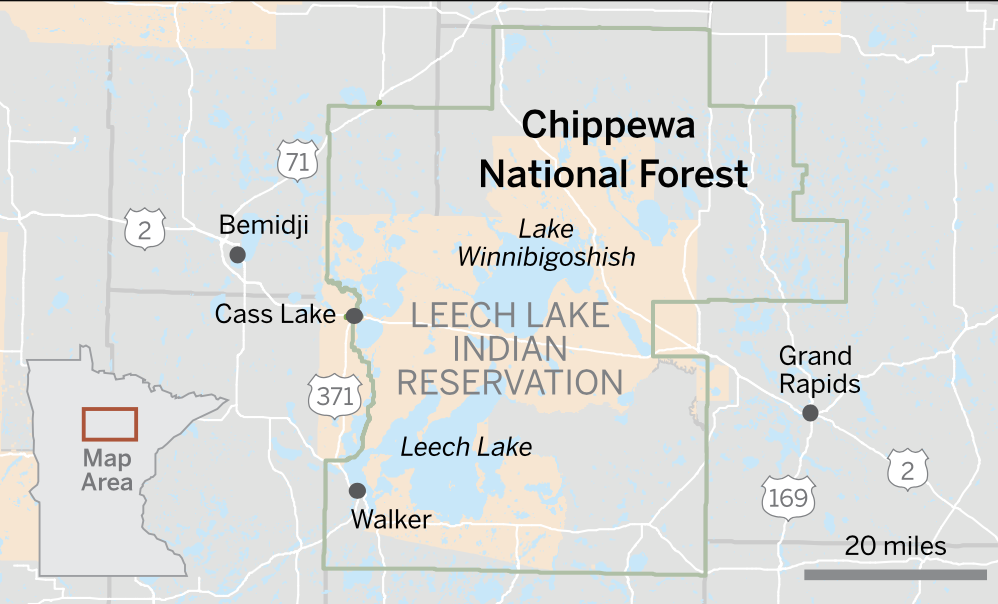
Read MoreUnder the trust of the federal government, huge portions of the Chippewa National Forest were cleared out, but the band will maintain the land and use it for traditional harvesting, said Anton Treuer, a professor of Ojibwe at Bemidji State University who lives on the reservation.
Read MoreBiden has signaled a willingness to include tribes in his agenda. The nomination of Rep. Deb Haaland (Laguna Pueblo) for Secretary of Interior sends a strong message. We’ll talk with policy experts about what they hope is in store for the next four years.
Read More“Learning an indigenous language is a powerful healing and decolonizing act.” —Anton Treuer in The Language Warrior’s Manifesto
Read More“The future vitality of the Ojibwe language is not certain, but it is certainly possible.” —Anton Treuer
Read More'“The Indians were fighting for their best chance at a long, healthy, happy life.” —Anton Treuer
Read More“America is having a racial reckoning.” —Anton Treuer
Read More“It’s a no brainer to me on why we should be doing this,” Treuer said. “Ultimately, the schools, universities that are most successful in equipping people for a world that will surely be multiracial and multicultural and will always have an Indigenous story, I think they are going to have the greatest success.”
Read More“Though it may cost me my liberty, it is my duty, and I will continue to speak and act also, till the wrongs of my people shall be righted.” —Hole in the Day
Read More“He told me that the language was the key to everything in our culture,” Treuer wrote. “It was the cipher for sacred knowledge, and the Ojibwe way of being.”
Read MoreAnton Treuer leads the Ojibwe language revitalization efforts at Bemidji State University and helps other programs across Minnesota.
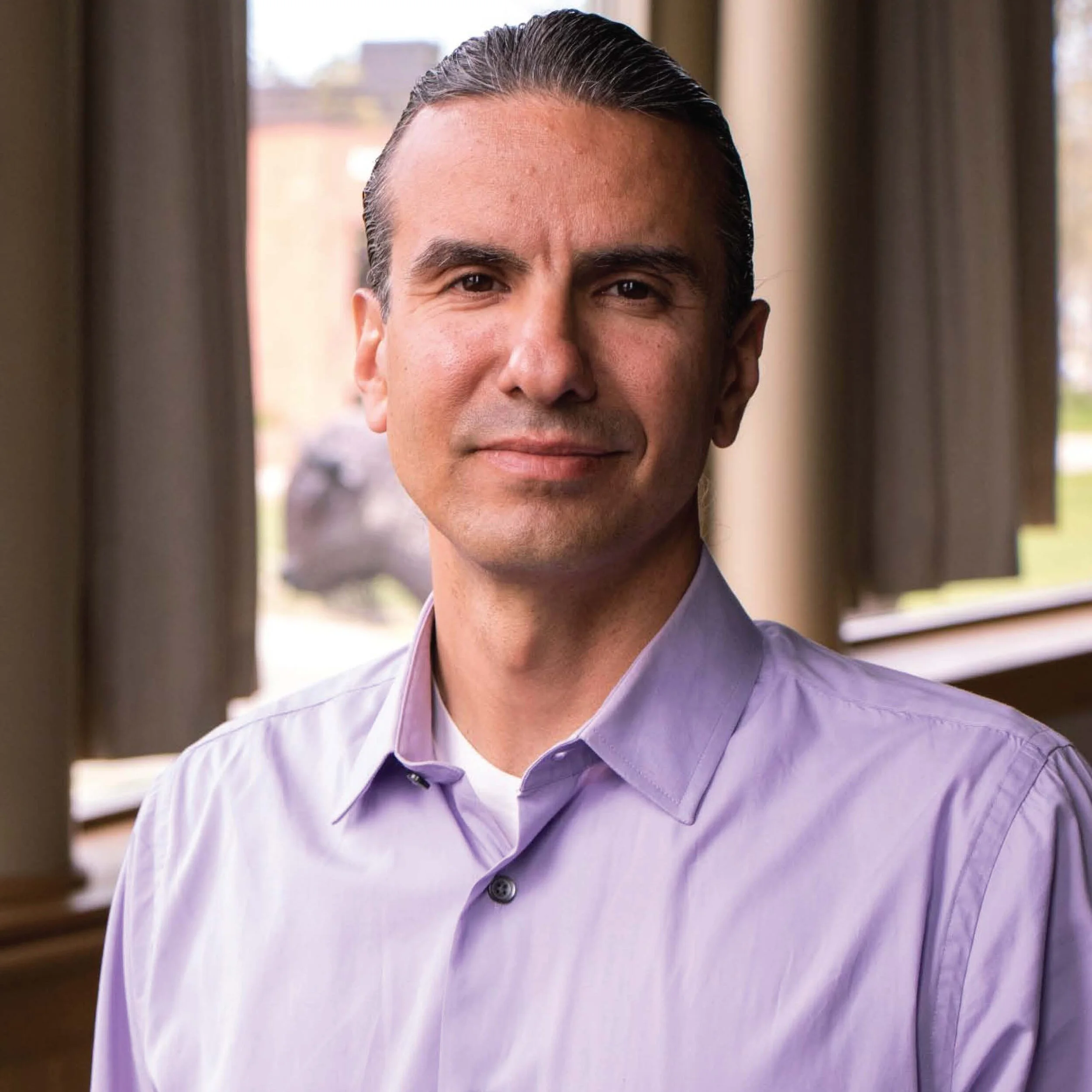
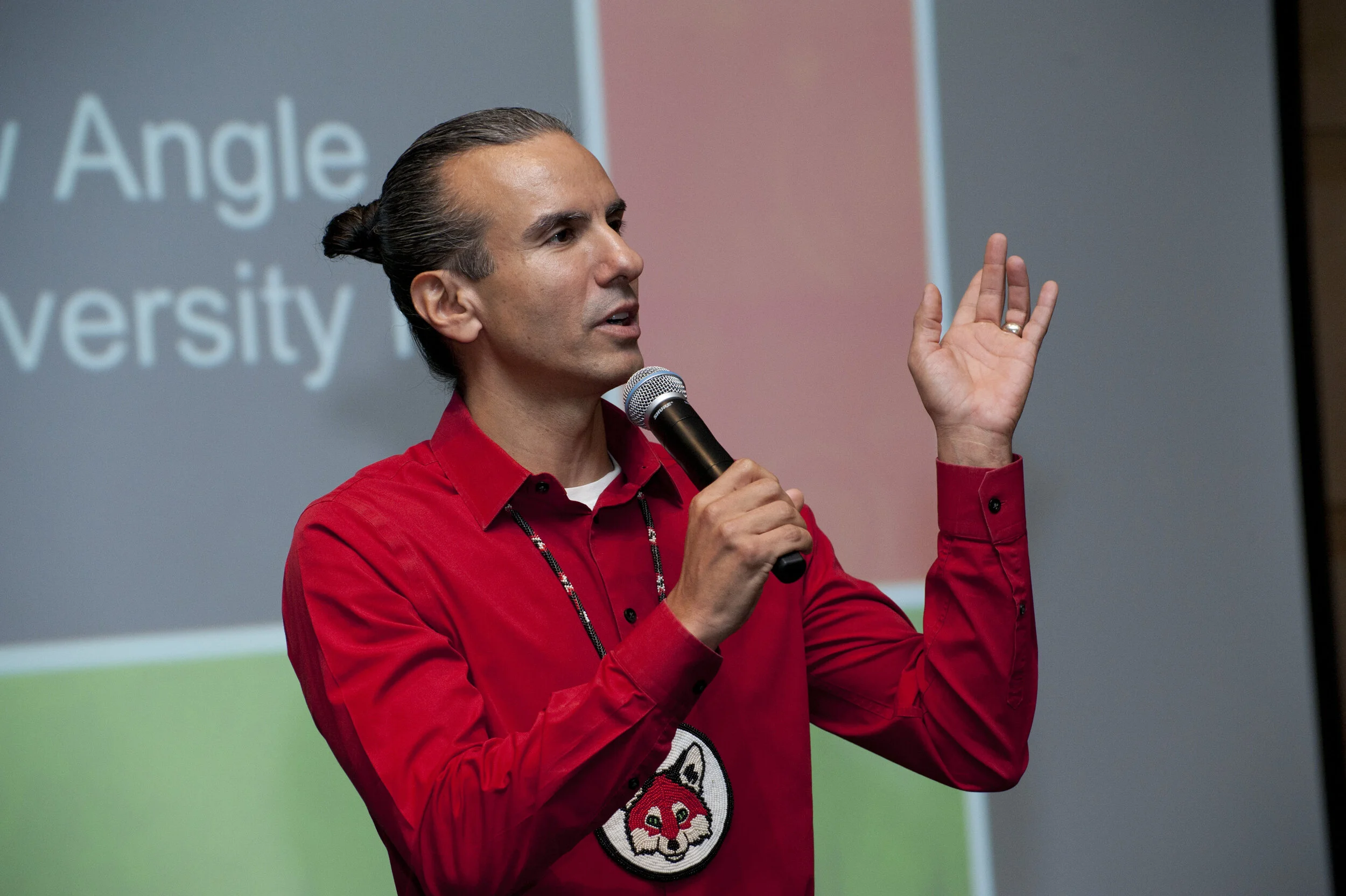
Read MoreAnton Treuer’s Indian name is waagosh, the Ojibwe word for fox, an animal known for its spry bounding. Treuer (pronounced Troy-er), a professor of Ojibwe language, often moves in this very manner: light on his feet, perpetually in motion, zigzagging between the ancient world and the modern one. He’s a man with one foot in the wigwam, and the other in the ivory tower, as he’s been known to put it. —Rachel Hutton
Read More“Bemidji State University should be holding up and pushing forward the things that give it a real competitive advantage, and I think that this is one of the things,” Anton Treuer said. “This is something really unique about our area.”
Read MoreAnton Treuer has authored “The Language Warrior’s Manifesto, How to Keep Our Languages Alive No Matter the Odds.” Treuer is professor of Ojibwe at Bemidji State University, and he joins us to discuss the importance of revitalizing indigenous languages and cultures.
Read More“People wish it well, they just don’t necessarily do things to make it well,” Treuer says. “I think there’s a tendency for people in the mainstream to think of languages as like pretty birds singing in the forest. Like, ‘We love all the pretty birds. That’s neat. But not important.’ And that’s simply not the case.”
Read More