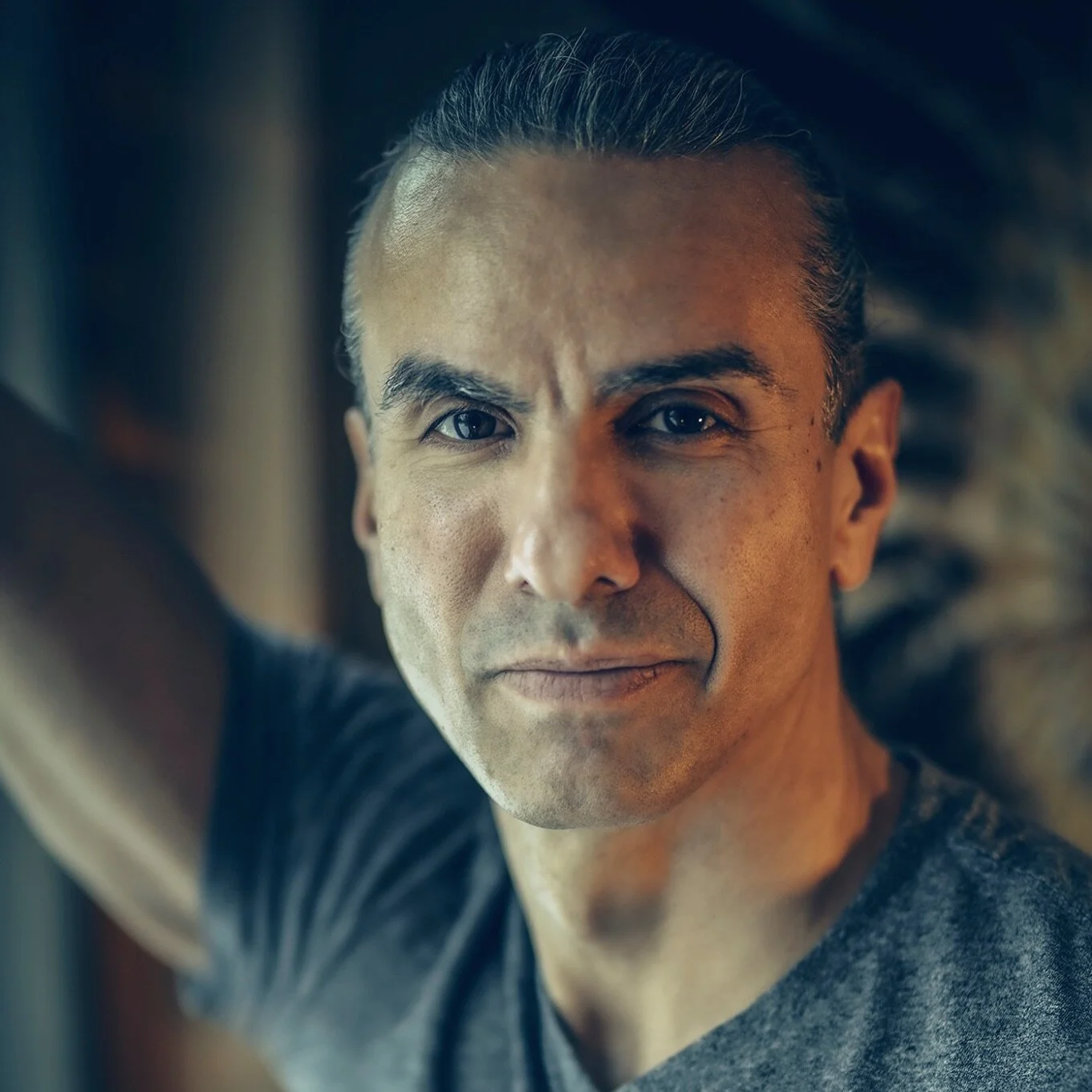
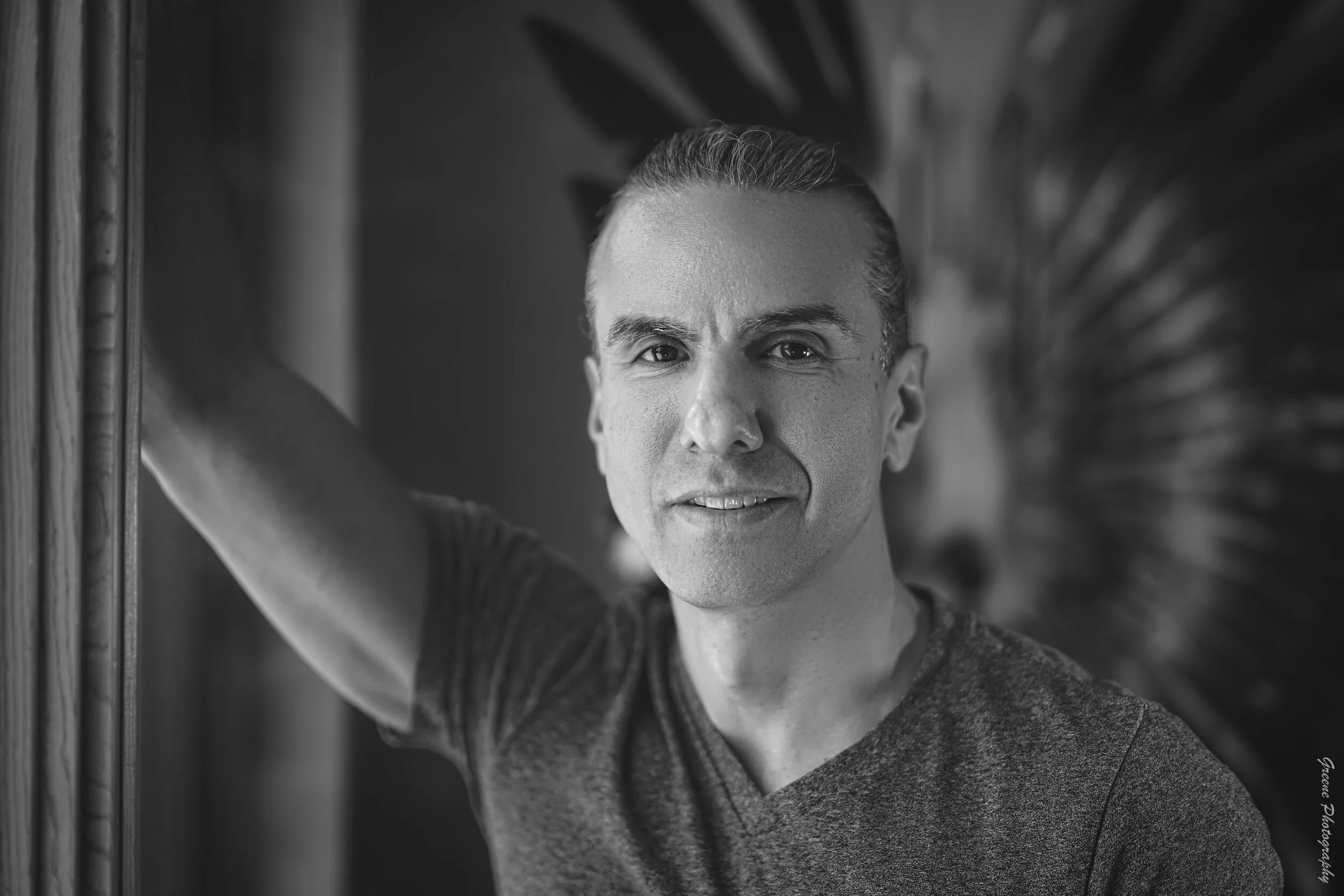
A collaborative effort between the Mille Lacs Band of Ojibwe - @mlbononremovable and the @minnesotahistoricalsociety/Minnesota Historical Society Press has resulted in the release of five books in the Ojibwe language. It’s all part of the Mille Lacs Band of Ojibwe - Aanjibimaadizing Project where sixteen first speakers teamed with linguists, teachers, and Ojibwe language experts to create the books. Along with the books, the Aanjibimaadizing Project is developing a @rosettastone Ojibwe language learning program.
Read MoreShirley Boyd, a member of the Mille Lacs Band of Ojibwe, is a fluent Ojibwe speaker. She participated in the band’s project with Rosetta Stone to create a learning program to help teach the Ojibwe language to future generations.
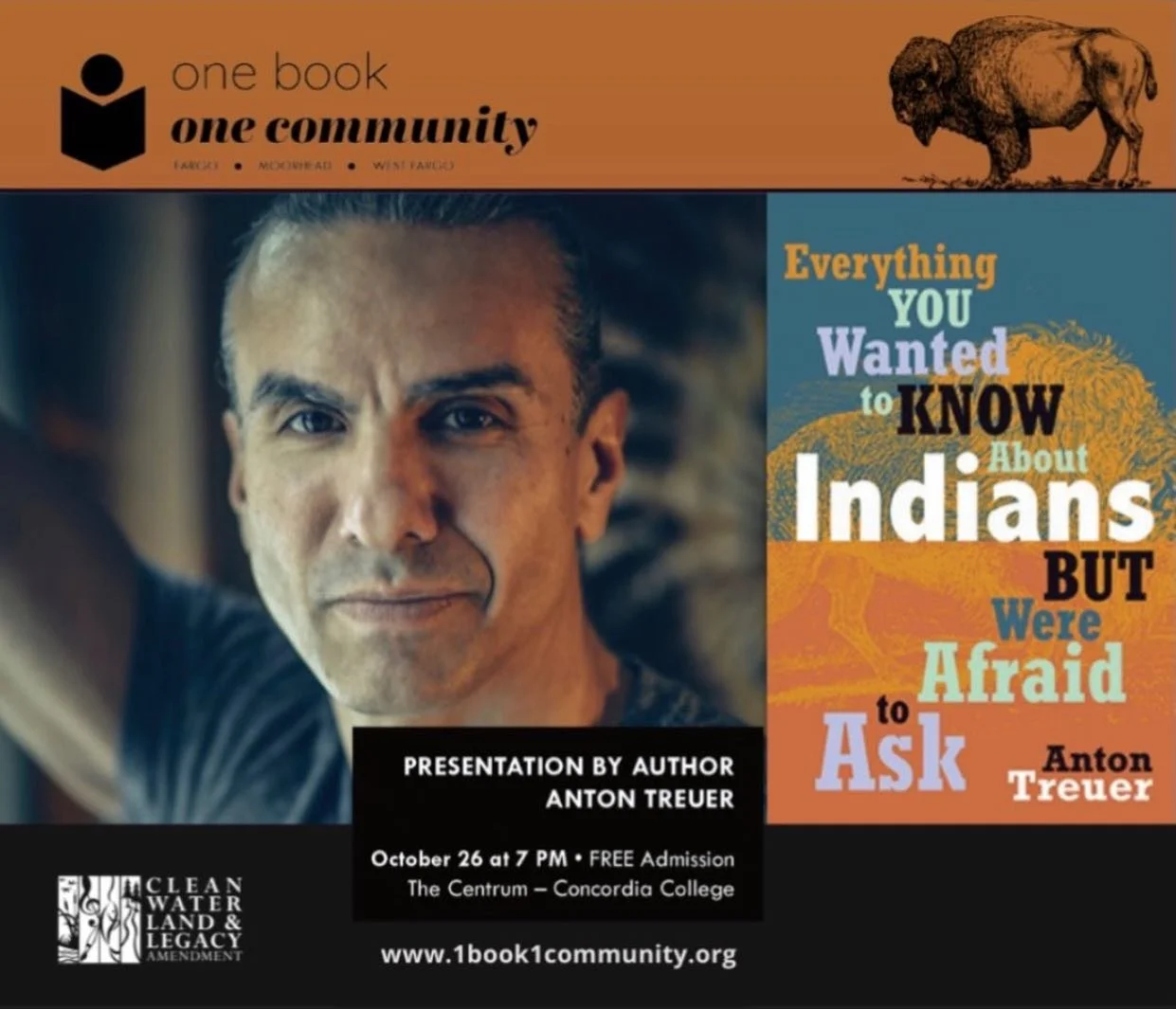
Read More“Indians. We are so often imagined and so infrequently understood.” —Anton Treuer
Read More“Indians. We are so often imagined and so infrequently well understood.” —Anton Treuer
Read MoreOf course, within Indigenous communities, we have a diversity of opinions—and emotionally charged opinions—on a whole range of topics, and we don’t all think the same way, act the same way, vote the same way.
Read More“Indigenous people have a lot to teach the rest of the world. And we live in and protect a lot of the world’s most sensitive ecosystems. I’m also looking forward to working with some of the brightest minds on the planet on one of the most important endeavors of our time.” —Anton Treuer
Read More“Indians. We are so often imagined and so infrequently well understood.” —Anton Treuer
Read More“Indians. We Are so often imagined and so infrequently well understood.” —Anton Treuer
Read More“Indians. We are so often imagined and so infrequently well understood.” —Anton Treuer
Read More“We are ancient and modern.” —Anton Treuer
Read More“Indians. We are so often imagined and so infrequently well understood,” —Anton Treuer
Read MoreI was not just another Indian. No Indian really is.
Because we are so often imagined and so infrequently well understood.
Read MoreNorthern Wisconsin’s only Ojibwe immersion school built a successful program to revitalize its language. Then the pandemic upended the tribe’s life
Read More“Indians. We are so often imagined and so infrequently well understood.” —Anton Treuer
Read More“The Ojibwe language is beautiful. One example that gets at the way language encodes meaning is our parting, ‘giga-waabamin miinawaa,’ which means ‘I”ll see you again.’ We have no word for goodbye. It’s ‘I’ll see you again’ in this world or the next — an affirmation of the soul-to-soul connection between two people.”
Read More“We have to manifest our sovereignty.” —Anton Treuer
Read More“Indians. We are so often imagined and so infrequently well understood.” —Anton Treuer
Read MorePreserving and teaching Indigenous languages is literally a race against time in many cases, and Covid-19 has made that race even more difficult as it most severely impacts elders. One of Treuer’s other projects is collecting stories from elders to print into books. It’s a task that normally requires convening 50 people, and so it’s been put on hold for now. “In Mille Lacs, one of the elders that was a major contributor on our books just died. So if not for that, we probably would have had another 20 stories from her,” says Treuer.
Read More